Understanding Water Damage Services: How to Protect Your Property
Water damage creates serious hazards for properties, necessitating a clear understanding of related services. Property owners frequently neglect the common causes and early indicators of damage, which can lead to costly repairs. Prompt and well-informed responses are critical. Hiring professionals can offer detailed assessments and successful remediation. Yet, numerous property owners are still uninformed about the complete range of preventive measures at their disposal. Investigating these elements can expose critical approaches for defending your investment against unanticipated water-related problems.
Exploring Common Causes of Water Damage
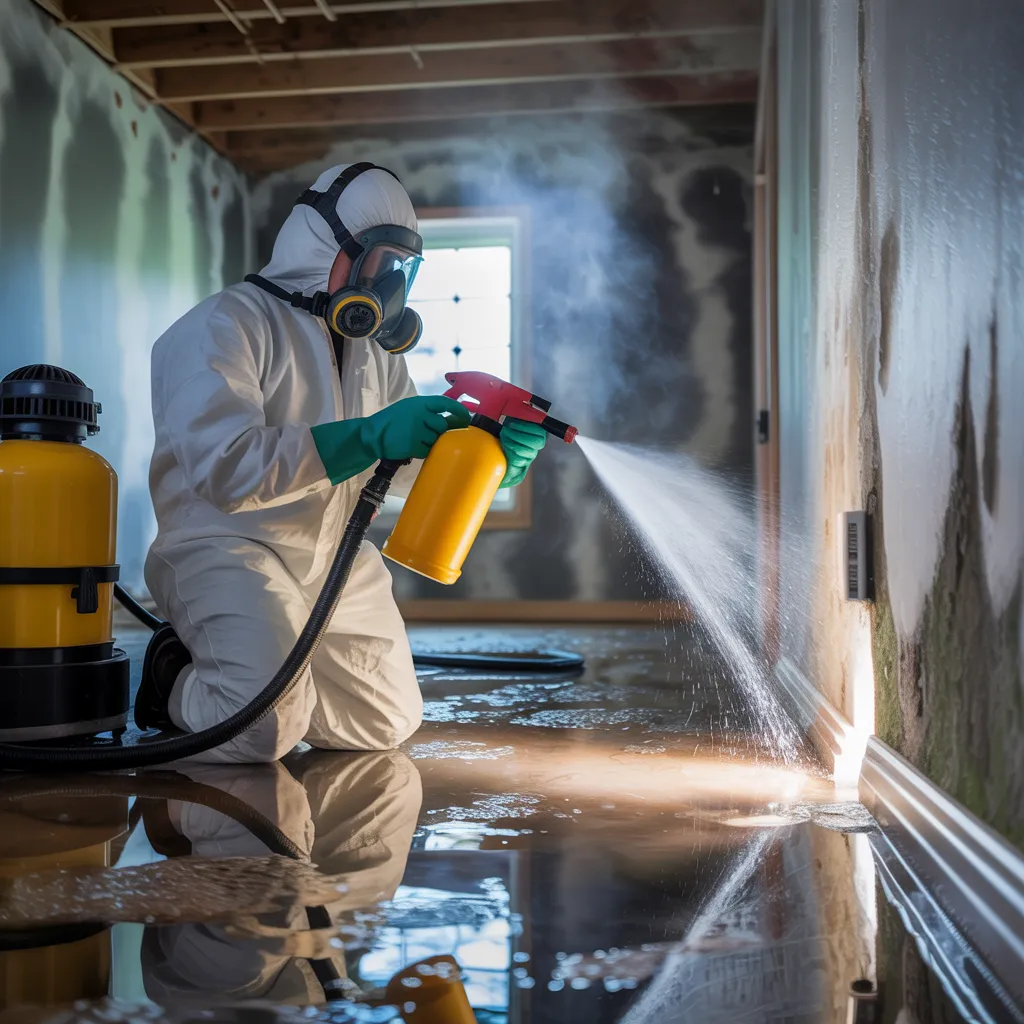
Water damage can arise from various sources, making it important to identify the frequent causes that lead to such issues. One prevalent cause is plumbing issues, including burst pipes or malfunctioning appliances, which can expel considerable amounts of water. Weather-related events, such as intense rainfall or floods, also play a role in water damage, especially in regions susceptible to severe storms. Moreover, roof leaks can appear due to wear and tear, enabling water to infiltrate the building. Poor drainage systems and clogged gutters can worsen these issues by funneling water to the foundation. A frequently disregarded cause involves humidity and condensation, which can cause mold proliferation and structural harm over time. Understanding these common causes can help property owners adopt preventive strategies, safeguarding their homes from the potentially devastating effects of water damage.
Identifying Signs of Water Damage Early
Detecting the first signs of water damage is essential for successful prevention. Residents should remain vigilant for certain indicators that water intrusion may be occurring. Discoloration on interior surfaces, commonly appearing as dark or yellowish marks, can signal roof or plumbing leaks. Furthermore, wallpaper or paint that is peeling may indicate extended exposure to moisture. A damp or musty scent frequently signals water damage, suggesting mold growth. Property owners should additionally check for distorted or uneven flooring, which may result from moisture absorption. Another critical sign is the presence of water buildup on windows or walls, suggesting elevated humidity. Timely detection of these signs facilitates immediate response, minimizing the chances of costly repairs and extensive damage. Routine maintenance and inspections can further aid in recognizing these signs, promoting an active strategy for property protection and maintenance.
Immediate Actions After Water Damage
Following water damage incidents, it is critical to take immediate actions to minimize subsequent damage. First, stopping the water source is crucial to stop additional water accumulation. Subsequently, thoroughly assessing the damage and recording all details will aid in the recovery process and support any necessary insurance claims.
Halt The Water Source
Locating and eliminating the source of water intrusion is vital for minimizing harm and preventing further issues. Prompt measures should be implemented to reduce the effect on the property. This generally entails pinpointing the primary origin, whether it involves a broken pipe, a damaged roof, or a malfunctioning appliance. Residents should close the main water valve to prevent further flow, thereby reducing further water accumulation. Under some circumstances, consulting a qualified plumber may be needed to handle the issue properly. When the source is addressed, a smoother and more organized recovery can take place. Rapidly addressing the water source is a fundamental first action in shielding the property from widespread damage.
Examine The Damage
Once the source of water has been halted, examining the overall damage is a necessary step. This initial assessment requires locating the damaged sections, including walls, floors, and personal belongings. Water commonly infiltrates surfaces, causing unseen harm that is not always apparent at first glance. Skilled technicians commonly assess for the integrity of the structure and the presence of mold, which can develop rapidly in moist environments. They will often assess the degree of harm to wiring, electrical components, and appliances. It is important to identify the category of water present—black, gray, or clean—as this influences the cleanup approach. Swift and precise assessment sets the foundation for efficient recovery measures, ultimately minimizing lasting damage to the structure and ensuring a safer environment for residents.
Document Everything Thoroughly
Documenting everything thoroughly is vital in the wake of water damage. Such careful documentation serves numerous key roles, including supporting insurance filings and guiding restoration efforts. Property owners should commence by documenting with clear images of affected areas, taking both broad perspectives and detailed shots of individual areas of damage. Furthermore, keeping a detailed inventory of affected belongings, with full descriptions and value estimates, can be tremendously helpful. It is equally important to document the specific date and time of the event, as well as any prompt steps taken, such as contacting professionals. Such records not only assist with insurance claims but also aids in evaluating the extent of damage for later review. By maintaining thorough records, property owners can guarantee a smoother recovery process.
How Professional Services Can Help With Water Damage
Experts are instrumental in mitigating the effects of water damage, applying expert strategies to successfully recover damaged zones. They initiate the process by analyzing the degree of harm caused, leveraging state-of-the-art technology to identify hidden moisture and potential hazards. This detailed evaluation allows for a tailored response to every unique case.
When the evaluation process concludes, professionals implement targeted water extraction methods to extract surplus water from floors, walls, and various affected areas. They also use commercial-grade air movers and dehumidifiers to encourage swift moisture evaporation, avoiding mold development and structural damage.
Additionally, experts can identify and address likely causes of water infiltration, delivering guidance for repairs and preventive measures. Their familiarity with structural materials and remediation processes ensures that property owners obtain optimal results. By relying on professionals, building owners can save time, reduce stress, and protect their investments effectively.
Important Steps in Water Damage Restoration
Restoring water-damaged areas requires a set of structured processes designed to return affected areas to their pre-damage condition. Initially, professionals assess the extent of the damage and identify the source of moisture. Following this, the area is secured to prevent further issues, such as mold growth. This is followed by the water extraction stage, where professional-grade equipment swiftly clears pooled water from the area.
Following extraction, the drying phase commences, using heavy-duty fans and dehumidifiers to guarantee all moisture is eliminated. After the area is fully dried, professionals proceed with sanitizing and decontaminating surfaces to eliminate potential contaminants. Repairing and restoring damaged materials, such as drywall or flooring, is the last stage, assuring structural soundness and visual appeal. Throughout the process, records are kept for insurance documentation, offering a comprehensive record of the remediation efforts. This structured approach is critical for successful water damage restoration and securing the property against future damage.
Proven Methods for Preventing Water Damage
Protecting against water damage is critical for homeowners and property managers alike, as even slight moisture intrusion can lead to significant issues over time. One effective strategy is regular inspection of roofs, downspouts, and gutters to confirm they are clear of debris and functioning properly. This keeps water from collecting and infiltrating the building. Additionally, patching cracks in the foundation and exterior walls can thwart unnecessary moisture penetration.
Installing sump pumps in basements and confirming proper drainage around the property can help reduce potential risks. Homeowners are encouraged to track indoor humidity levels, using dehumidifiers as needed to preserve optimal conditions. Regular maintenance of plumbing systems, including checking for leaks, is critical for early detection. Finally, educating residents about water safety and response can empower them to act swiftly in emergencies, minimizing the overall potential for damage. Combined, these forward-thinking actions support sustained water damage prevention over time.
What You Need to Know About Insurance for Water Damage Claims
While maneuvering through the intricacies of insurance coverage for water damage, homeowners frequently face a variety of coverage options and policies. Basic homeowners insurance might provide coverage for specific categories of water damage, such as damage stemming from abrupt leaks or ruptured pipes. Nevertheless, damage from flooding generally necessitates a standalone flood insurance policy, which is vital for homes located in flood-prone areas.
Homeowners should carefully review their policy paperwork to identify exclusions and limitations. assessment For example, incremental damage, such as long-term leaks, is usually not covered. Furthermore, numerous insurance companies require prompt reporting of claims; delays can result in reduced compensation or denial.
To navigate the claims process efficiently, homeowners are encouraged to document the damage thoroughly, including photographs and written accounts. Consulting an qualified adjuster can also assist in obtaining a fair resolution. Ultimately, understanding these aspects can have a major effect on the restoration process following instances of water damage.
Commonly Asked Questions
What Is the Typical Duration of Water Damage Restoration?
The water damage restoration process typically spans between a few days and several weeks, based on the extent of the damage, the affected areas, and the efficiency of the restoration team managing the process.
Can I Manage Water Damage Repairs by Myself?
Managing water damage repairs by yourself is an option, but often comes with significant risks. Professionals possess specialized equipment and expertise to guarantee thorough restoration, minimizing future complications. Weighing personal skills against the advantages of hiring specialists is key to handling damage in the most efficient way.
What Types of Insurance Cover Water Damage?
Home insurance generally covers water damage caused by unexpected events, while flood insurance specifically addresses damage caused by rising water levels. Policy details can vary, so individuals should review their coverage details to secure proper coverage against possible water damage risks.
Are All Water Damage Services the Same?
No two water damage services are identical. They vary in expertise, techniques, and equipment used. Some specialize in specific types of damage, while others offer thorough solutions, which impacts overall effectiveness and client satisfaction.
How Do I Find a Dependable Water Damage Service?
To find a reliable water damage service, it is advisable to look into local businesses, examine customer testimonials, check certifications, and request references from past clients. Analyzing pricing options and considering response efficiency can also help guide a thoughtful selection.